




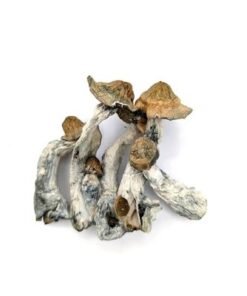

Purple Mystic Mushrooms
Price range: $100.00 through $900.00
Medical benefits: Alleviates depression and anxiety, enhances emotional well-being, aids in trauma recovery, boosts creative thinking, Addiction research.
Purple Mystic Mushrooms
Purple Mystic Mushrooms are surrounded by fascination because of their distinctive appearance and association with the study of psychedelic fungi. Certain mushrooms contain psilocybin, a naturally occurring psychoactive compound that the body converts into psilocin, which affects serotonin receptors in the brain and can significantly alter perception, mood, and cognition. Although scientific research into psilocybin has revealed promising possibilities for mental health treatment, it is important to distinguish potential therapeutic applications from established medical benefits. The effects of psychedelic mushrooms vary considerably depending on the species, potency, individual sensitivity, and surrounding environment.
Potential Medical Benefits
Research into psilocybin-assisted therapy has identified several areas of medical interest:
Depression research: Clinical trials suggest that psilocybin-assisted therapy may help reduce depressive symptoms in some patients under professional supervision.
Anxiety management: Studies have investigated its potential to ease anxiety and emotional distress, particularly among people facing serious or life-threatening illnesses.
Psychological well-being: Some participants in controlled studies report improvements in emotional outlook, personal reflection, and psychological well-being.
Addiction research: Preliminary clinical evidence suggests potential applications in treating certain substance-use disorders, including alcohol and tobacco dependence.
Mental health research: Scientists are investigating how psilocybin may temporarily change patterns of brain activity and emotional processing, potentially supporting therapeutic work.
Psychological and Physical Effects
The effects of psilocybin-containing mushrooms can differ widely between individuals. Possible effects include:
Altered visual perception: Colours may appear more intense, patterns may seem to move, and visual distortions may occur.
Changes in mood: Some people experience euphoria, wonder, or emotional openness, while others may experience sadness, fear, or irritability.
Altered sense of time: Minutes may seem longer or shorter than usual.
Changes in thought patterns: Thinking may become more associative, introspective, or unusual, sometimes making concentration and decision-making difficult.
Changes in sensory perception: Sounds, colours, and other sensations may seem unusually vivid or interconnected.
Physical reactions: Possible effects include nausea, dizziness, sweating, dilated pupils, and an increased heart rate or blood pressure.
Intense psychological experiences: Some people experience panic, paranoia, confusion, or frightening hallucinations, particularly in unpredictable environments.
Lingering effects: Headaches, fatigue, anxiety, or difficulty sleeping may occur after the main experience. Persistent perceptual disturbances are also possible, although uncommon.
| Quantity | OZ, QP, HP, LB |
|---|















Reviews
There are no reviews yet.